OSAPS 2024 Cebu Home

Category

Career & Professional Development

21 articles

Visa Lines and Layover Lounges: The Quiet Gatekeepers of Global Physics

Visa Lines and Layover Lounges: The Quiet Gatekeepers of Global Physics

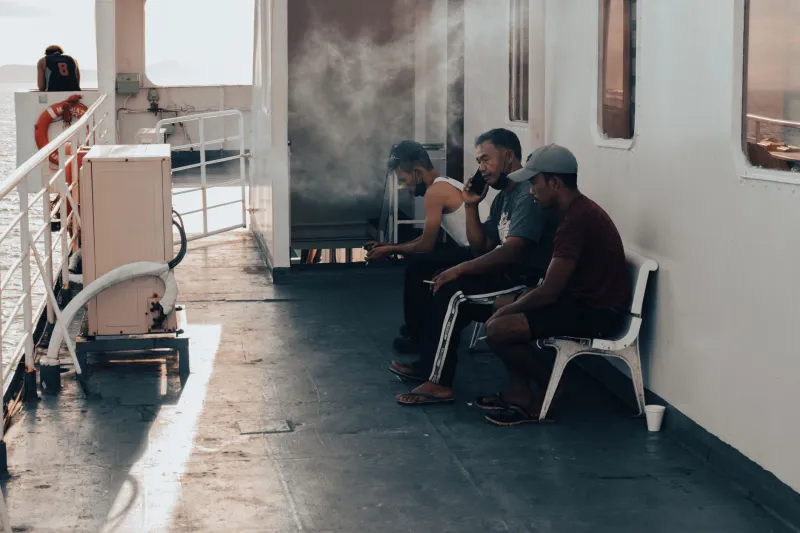
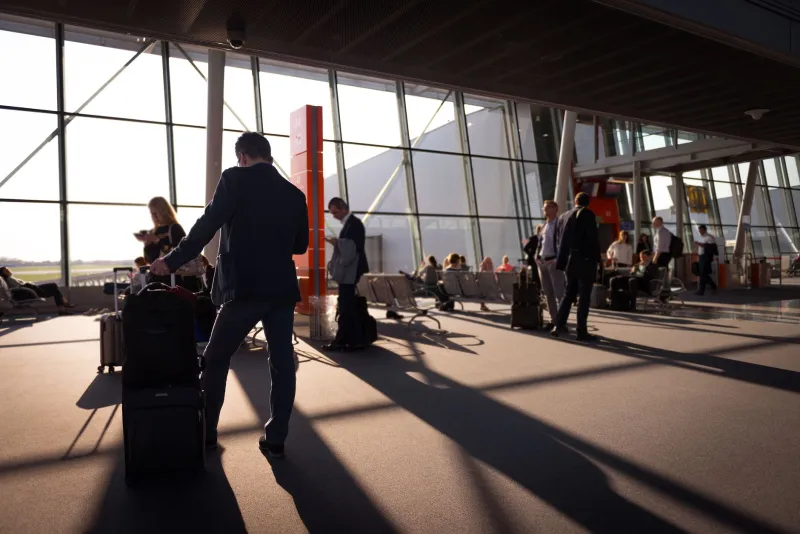
The physics that matters most is often decided before anyone enters a lecture hall — by flight prices, visa queues, and passport strength. Using OSAPS 2024 Cebu as a case study, this piece examines how travel logistics quietly shape which voices dominate the global physics conversation.

One Day, Maximum Return: A Field Manual for US Physicists Navigating OSAPS 2024

One Day, Maximum Return: A Field Manual for US Physicists Navigating OSAPS 2024

For US physicists attending OSAPS 2024 on a compressed schedule or a constrained travel budget, every hour on the conference floor is a capital allocation decision. This guide offers a concrete, session-by-session framework for identifying the presentations and poster displays most likely to carry long-term career and funding value—including the categories of work that have historically flown under the radar at international symposia before becoming major grant priorities back home.

Grant Dollars and Global Gaps: How NSF and DOE Are Recalibrating Toward Asia-Pacific Physics

Grant Dollars and Global Gaps: How NSF and DOE Are Recalibrating Toward Asia-Pacific Physics

Federal funding agencies are quietly rewriting their collaborative frameworks in response to surging physics output from Asia-Pacific institutions. For American researchers who remain disconnected from these regional networks, the consequences in the next grant cycle could be significant. Here is what the data—and the decision-makers—are signaling.

The Early Signal Advantage: A U.S. Physicist's Field Guide to Spotting Breakthroughs Before They Go Mainstream

The Early Signal Advantage: A U.S. Physicist's Field Guide to Spotting Breakthroughs Before They Go Mainstream

For American physicists, relying exclusively on established journal databases and English-language preprint servers means encountering most research trends only after they have already shaped the field. A systematic approach to tracking Asia-Pacific research networks — anchored by strategic conference attendance and diversified intelligence sources — can shift that dynamic dramatically, giving forward-looking researchers a measurable head start on the next wave of high-impact discoveries.

Half the Physics Literature Is Written in Languages Most American Labs Cannot Read

Half the Physics Literature Is Written in Languages Most American Labs Cannot Read

Thousands of physics papers published annually in Mandarin, Japanese, Korean, and other Asia-Pacific languages remain effectively invisible to the majority of US-based researchers—not because the science is inaccessible, but because the language barrier is treated as someone else's problem. As breakthroughs in quantum computing and advanced materials accelerate across East and Southeast Asia, American scientists who ignore this gap do so at considerable professional risk.

5 Career-Defining Reasons US Physicists Can't Afford to Skip International Conferences Like OSAPS 2024

5 Career-Defining Reasons US Physicists Can't Afford to Skip International Conferences Like OSAPS 2024

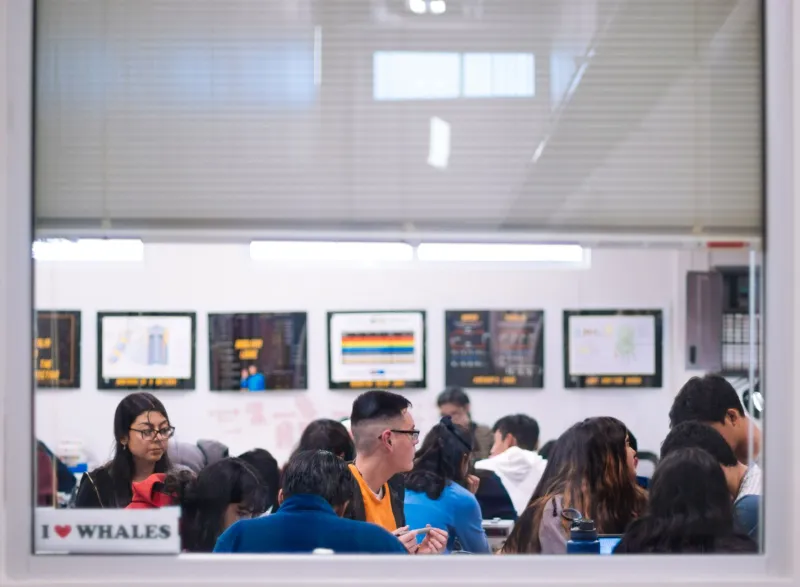
Attending a physics conference in Cebu, Philippines might not be the first item on a US researcher's professional development checklist — but it probably should be. OSAPS 2024 made a compelling case that international regional conferences deliver career and research benefits that domestic meetings simply cannot match, from unexpected collaboration pipelines to grant-readiness advantages that compound over time.